When the driveway looks chalky and the siding turns dull, the urge to blast away grime is real. Yet the smartest results start with knowing the true difference in power washing vs pressure washing. In simple terms, both use forceful water to clean. But they don’t do the same job every time. Today, you’ll learn what sets them apart, how heat changes cleaning, and when to choose each. As a result, you’ll save time, protect surfaces, and get a brighter, safer finish at home.
Power Washing vs Pressure Washing: What It Really Means
Both methods use water under pressure; therefore, one key factor that shapes the clean: temperature. Pressure washing uses unheated water, while power washing uses heated water to speed up the breakdown of oils and stuck grime. Therefore, hot water can lift grease and some stains faster, while cold water is fine for general dirt, mud, pollen, and mildew removal on many surfaces. However, hot water can be too aggressive for delicate materials if you’re not careful, so matching the method to the surface matters.
How Heat Changes the Clean
Think about washing a greasy pan. Warm water loosens residue faster. The same idea applies outside. Heated water helps dissolve oil spots on garage floors and makes chewing gum and tough build-up release sooner. Because heat speeds chemistry, you often need less detergent and less scrubbing. However, very hot water plus high pressure can etch softer surfaces or lift old paint. Thus, pros use heat mainly on hard, durable materials like concrete, metal, and certain masonry, not on soft wood or fragile siding.
When to Choose Cold Water Pressure
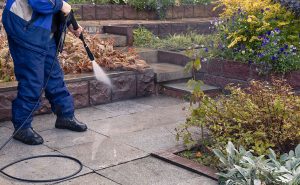
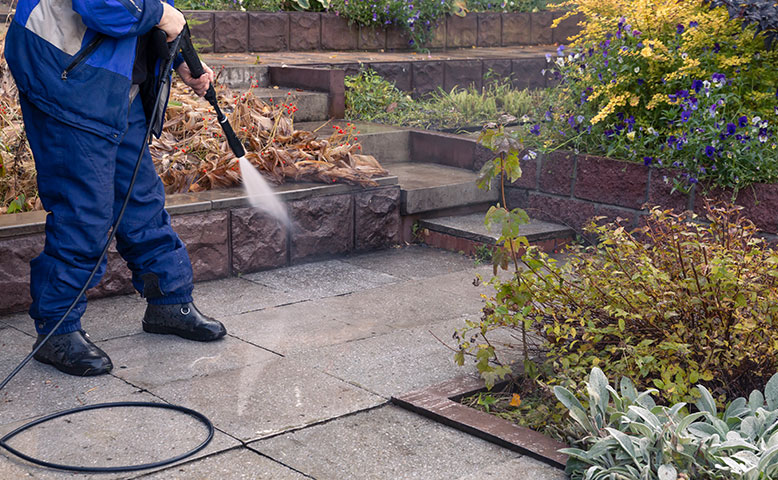
Use cold water for routine cleanups and for surfaces that don’t need heat to release dirt. Start with the right nozzle and modest pressure so you don’t scar wood or mark concrete. Before you begin, test a small corner and keep the wand moving in smooth passes. Finally, keep safety first; eye protection and two-hand control prevent kickback mishaps. Consider these common cold-water wins:
Muddy patios after rain
Dusty vinyl or aluminum siding
Pollen on fences and outdoor furniture
General mildew film on walkways (with cleaner, if needed)
When to Choose Heated Power
Grease and oil love to cling. Heated water loosens them faster, so garage floors, restaurant pads, and stained tools often clean better with heat. It also helps with salt, tire marks, and heavy grime baked into porous concrete. However, monitor distance, keep a steady pace, and avoid soft plastics or old mortar joints. Used correctly, heat can shorten job time and improve results. This is a great moment to note that many people shop using the phrase power washing vs pressure washing, and heat is the big practical separator in real-world jobs.
Understanding PSI, GPM, and Nozzles
Two numbers guide your clean: PSI (pressure) and GPM (flow). PSI is the “muscle” that knocks debris loose. GPM is the “rinse” that carries it away. Higher PSI helps with tough stains, but higher GPM clears grime faster and can reduce streaks. As a result, the best choice balances both for the surface you’re cleaning. Then, match your nozzle: wider tips lower impact, while narrow tips cut harder. Therefore, start wider and move closer only as needed to avoid damage—most house washing guide checklists stress this sequence.
| Task | Better Pick | Why |
| Oily garage slab | Power (hot) | Heat breaks the oil film for faster lift. |
| Muddy deck boards | Pressure (cold) | Gentle setup protects wood grain. |
| Greasy grill grates (removed) | Power (hot) | Heat softens cooked-on fats. |
| Dusty vinyl siding | Pressure (cold) | Lower impact reduces risk to panels. |
Gentle Methods for Home Exteriors
A smart house washing guide starts with the mildest method that still works. Work top to bottom so dirty water doesn’t streak clean areas. Use a wide-angle tip and a light touch on siding. If you need detergent, choose one marked safe for your material and rinse well. Also, avoid blasting under laps or into vents. Because pressure can drive water behind panels, keep your angle shallow and your distance consistent. Therefore, patience beats force when the goal is a bright, damage-free facade.
Care for Wood, Patios, and Paint
Wood fibers raise when hit too hard. So go slow on decks and fences. Keep the wand sweeping, use a wider fan, and back off if lines appear. On patios, narrow tips can leave stripes; therefore, adjust your stance and overlap passes. Painted areas need extra care because high PSI may strip the finish. In fact, many homeowners pair washing with soft-bristle brushing on trim. This approach fits well with deck and siding cleaning, where the goal is to lift grime while protecting grain and coatings.
Local Notes for Tough Jobs
Road film, drizzle, and ever-present pollen can make outside chores feel endless. However, timing helps; choose a cool, overcast morning so cleaners don’t flash dry. Rinse landscaping before and after to protect leaves. If you plan a weekend cleanup, schedule heavy-duty spots like oil stains for last so you don’t track dirt back over clean paths. And if you want a spotless driveway photo, consider power washing in Renton WA, before big events so stains don’t steal the show.
Pro Touches That Save Time
Small tweaks can make a big difference. For example, a surface cleaner attachment can speed up large patios by keeping the spray even. As a result, you avoid tiger stripes and finish faster. Also, keep spare O-rings and tips on hand so a small leak doesn’t stall the day. Finally, remember surfaces to skip: old mortar, asphalt shingles, and fragile fixtures. When in doubt, choose the safer path or call pros like Deck Painting Experts Renton WA, who can prep surfaces gently before finishing work.
Picking Between Terms in Real Life
People often use the phrase again—power washing vs pressure washing—when searching for help. In practice, the best choice depends on grime type, surface durability, and your comfort level. Start cold for routine dirt on siding, fences, and outdoor furniture. Shift to heat for oil, gum, and stubborn driveway stains on hardy materials. Because PSI and GPM matter too, set your machine for control before power. Therefore, test, adjust, and let technique—not brute force—do the heavy lifting.
A Helpful Brand to Know
Sometimes you want guidance before a big weekend project. If you prefer a hand, ask a local pro for a short walk-through. A quick visit can confirm settings, nozzle choice, and safe distances. Also, many painters include light prep washes before coating, so jobs run smoother and last longer. For peace of mind on color and finish, homeowners often reach out to Mendez Painting PNW for advice on prep steps that protect the final look.
Your Home, Brighter—Call Us Now
You’ve got the know-how and the plan. However, if time is tight—or you want pro-level prep and care—contact Mendez Painting PNW for a friendly estimate and a clean, ready-to-paint finish today.
Note on safety and surfaces: Avoid blasting roofs, fragile glass, old mortar, and electrical fixtures; use the gentlest method that gets the job done, and wear eye protection.